Roofing blog
Roof Repair or Replacement: How to Decide
November 26, 2026 · Roofing Guides
The signs that favor a repair, the signs that favor a new roof and the questions that make two quotes easier to compare.
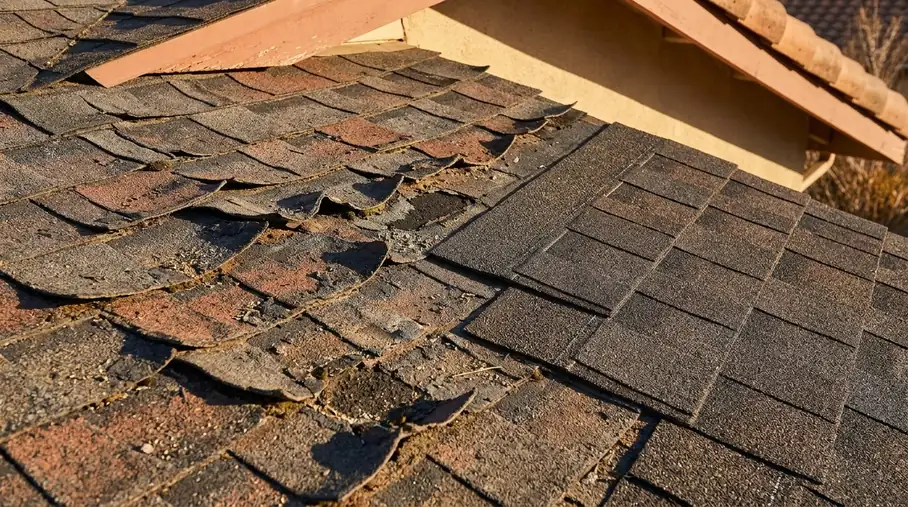
The choice between roof repair and roof replacement usually turns on how far the damage reaches and what condition the rest of the roof is in. One broken part on a sound roof is a different problem from wear across every slope. A roofer has to inspect the roof to judge that, and these points help you follow the reasoning.
When a repair often makes sense
- The damage is limited to one area, such as a few shingles or tiles
- A single part failed, such as one pipe boot or a section of flashing
- The roof is not near the end of its expected life
- The decking under the damaged spot is dry and solid
- Matching or compatible material can be found
When replacement deserves a serious look
- Leaks keep returning in different places
- Shingles are curled, brittle or bare of granules across large areas
- The underlayment under a tile roof has broken down
- The roof deck feels soft, sags or shows widespread rot
- A flat roof has many patches, open seams or water that stays ponded
- The roof is old and the next repair would not settle the wider wear
No single item decides it. Ask the roofer to show you what led to the advice, ideally with photos taken on your own roof.
Age matters, but it is not the whole story
Roofing materials age at different rates. Sun, heat, salt air near the coast, shade, tree cover, ventilation and the quality of the first installation all change how long a roof lasts. Two roofs of the same age can be in very different shape. If you have the permit record, invoice or inspection report from the last roofing job, share it.
Look below the surface layer
Tile roofs
Clay and concrete tiles can outlast the underlayment beneath them. In some cases a roofer may suggest lifting the tiles, replacing the underlayment and setting sound tiles back. Ask how broken tiles will be matched.
Shingle roofs
Granule loss, soft spots and many lifted tabs suggest broad wear. A few torn tabs after wind may be a smaller job if the surrounding shingles are still flexible enough to work with.
Flat and low slope roofs
Seams, drains and places where equipment sits are frequent trouble spots. Ask whether trapped moisture was checked for before any patch or coating is proposed.
Think about cost over time
A repair usually costs less today. Repeated repairs on a worn roof can add up and still leave the same risk inside the home. Price depends on the roof size, pitch, height, material, tear off, deck condition and permit needs, so a number given without a look at the roof is only a rough idea. This site does not set prices.
Questions to ask before you choose
- What exactly failed, and may I see photos?
- How is the rest of the roof holding up?
- What does the repair cover, and what does it leave alone?
- If damaged decking turns up, how is it priced and approved?
- Who handles the permit, if the job needs one?
- What written warranty comes from the roofer or the material maker, and what does it exclude?
Compare quotes on the same terms
Put each quote side by side and check that they describe the same scope: materials, underlayment, flashing, vents, cleanup, disposal and payment schedule. A lower price can mean that something was left out.
Check the roofer's California license with the Contractors State License Board and ask for proof of insurance. If water is coming in while you decide, start with roof leak repair. To see whether your city is listed, visit the California service areas. After wind or rain, the guide to checking for storm damage from the ground may also help.
Need help now?
Send the request form to reach a licensed and insured independent roofing provider. See all services and California service areas.